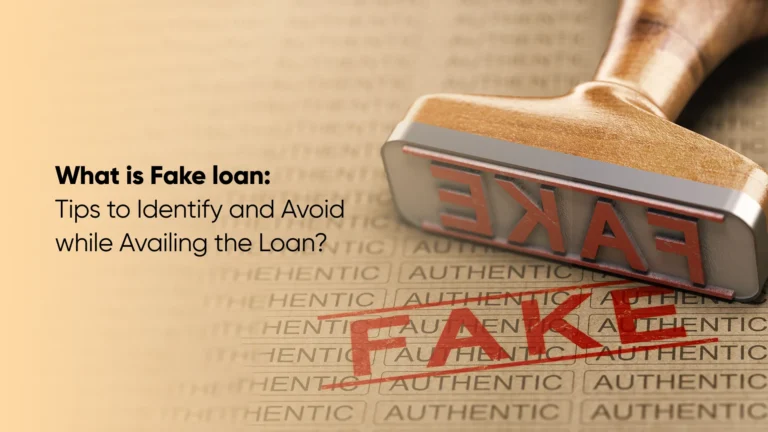
In today’s digital world, not every loan offer is real. Fake loan scams are sneakier than ever, and they can cost you a heavy amount.
Before you share your details or click that “Apply” button, it is important to identify fake loans, how they work, how to spot the red flags, and most importantly how to protect yourself.
Table of Contents
ToggleWhat is a Fake Loan?
A fake loan is a scam where fraudsters pretend to offer a real loan but have no intention of lending the loan amount. They trick people with suspiciously good loan features like quick money, low interest or no registration. The goal of these scamsters is to extract money from people in the form of sign-up fees and processing fees, with no intention of lending money. They can even steal sensitive personal information like phone numbers, PAN or Aadhar numbers, and misuse it further.
Common Signs of Fake Loans
Fake loan offers are everywhere. In your inbox, DMs, even SMS. Here’s how to spot the fakes and stay ahead of such scams:
- Unsolicited Offers: Be wary of loan offers you receive without any prior application or inquiry.
- Upfront Fees: Genuine lenders deduct processing charges after loan approval. If you are being asked to pay any amount before your loan is approved or disbursed, like a processing fee or security deposit, it is likely a scam.
- Guaranteed Approval: Scam loans may promise guaranteed loan approval without any credit check or verification. If someone promises you guaranteed approval with zero verification, it’s a major red flag.
- No Credit Check: Every registered lender in India runs some form of credit assessment. If the lender skips this step entirely, they’re probably not legit.
- Pressure Tactics: Scammers often push you to make fast decisions by using high-pressure tactics. They will tell you it’s a ‘now or never’ deal, just to make sure you don’t pause and ask questions.
- Unclear Loan Terms: Be vary of loan offers that have vague interest rates, hidden fees, or incomplete loan documentation.
- No Physical Address: Registered lenders always have a verifiable physical address. Be wary of lenders with no physical address.
- Unsecured Website: Ensure the loan website is secure before you sign up or apply with sensitive information. The website should have a proper name and.
- Poor or No App Reviews: Many fake loan apps have spammy reviews or complaints about fraud. Check the app on the Play Store or App Store. Fake loan apps usually have low ratings, complaints about fraud, or suspicious reviews. No reviews at all? That’s a red flag, too.
- No RBI Registration: Legitimate lenders are registered with the Reserve Bank of India. If you receive any loan offers from an unknown lender, check if they are registered.
Also Read: Top 12 Signs of a Fake Loan App in India
How Fake Loan Scams Work
While scams work in several ways, be it through online ads, SMS, email or even WhatsApp messages, it is important to identify common patterns to protect yourself from such scams.
- They reach out with a ‘too good to be true’ offer: They either message or call you. The offer might suggest no verification, no credit check and offer instantly the offer sounds, or call offering instant loans with zero paperwork, low interest, and no credit check. Sounds perfect? That’s the bait.
- Lure with Suspicious Links: Once you click or respond, you’re asked to download an app, fill out a form, or share your personal details like Aadhaar, PAN, or bank info.
- Upfront Fees: They’ll say you need to pay a “processing fee,” “GST,” “insurance,” or “file charges” to unlock the loan. But the loan never arrives.
- Ghosted After Payment: Once you pay, the scammer disappears. The loan isn’t disbursed, the app may stop working, and your calls/messages go unanswered.
- Misuse of Personal Information: Some scammers don’t even ask for money. They collect your data and misuse it for identity theft, fraud, or harassment.

Tips to Identify Fake Loan
Quickly Spot Scam Loan Offers with These Checks
Worried about loan scams? Watch out for these signs to avoid fake loan offers and keep your finances safe.
Upfront Fees
Be cautious if the lender asks for money or charges any fees before loan approval.
No Proper Documents
Fake lenders often do not provide clear paperwork or official documentation.
Overpromising
Big promises like super-low interest or instant approval can be a sign of a scam.
No Official Website or Contact
Check for genuine contact details and encrypted websites. Legit lenders are easily verifiable online.
Pressure Tactics
If you're being rushed to decide or share personal info, be alert—scammers use urgency as a tactic.
Unclear Terms
Loan terms that keep changing or are not clearly explained indicate a possible scam.
No Physical Office
Most fake lenders do not have a real office or local branch address for verification.
No Verified Reviews
Always look for genuine online reviews from verified borrowers before trusting any lender.
Stay Safe from Loan Scams
Always verify the lender’s credentials and terms before applying. Report suspicious offers and protect your financial wellbeing.
Steps to Avoid Fake Loan Scams
Here’s how you can avoid fake loan scams:
- Verify the Lender’s Legitimacy: Check if the company is RBI-registered or NBFC-approved. You may look up their official website, physical address, and customer reviews.
- Never Pay Upfront Fees: If someone demands money upfront, it is a red flag. Established lenders do not ask for processing fees before loan approval.
- Read the Fine Print: Always review the terms & conditions, interest rates, and repayment schedules carefully. If you have any concerns about the terms, get them clarified before signing the loan.
- Think Before You Click: Don’t click on suspicious links in emails, WhatsApp messages, or SMS promising “instant loans”. Trust official apps or websites only.
- Avoid Sharing Personal Details Over Phone or DM: Never share your OTP, Aadhaar, PAN, or bank details with any unknown person. Authentic lenders follow strict data privacy practices.
- Check for Proper Communication: Scammers often use generic emails, poor grammar, or pressure tactics. Professional lenders provide clear, branded communication with company email ID.
- Connect via Verified Numbers: Do not rely on numbers shared via social media or unknown sources. Check the official platforms for phone or email.
Also Read: 6 Effective Strategies Against Loan Scams
How to Report Fake Loans
Few steps to report fake loans are as follows:
- Cyber Crime Portal: Go on cybercrime.gov.in and report under “Financial Fraud” with details/screenshots.
- Call 1930 (Cyber Helpline): You may call on the official helpline, in case you have lost any money.
- Inform Your Bank: Report the fraud to your bank and request to freeze or reverse, if any transaction has taken place.
- Lodge an FIR: Visit your nearest police station with all the evidence and lodge a complaint. Save scammer numbers, emails, and transaction IDs. They help investigators trace faster.
- Report the App: Flag the fake loan app on Play Store/App Store and contact the developer.
Conclusion
A genuine loan can help make smart financial decisions. However, a fake loan can set you back and put your personal data at risk. Always choose RBI-registered lenders, avoid suspicious links, and never share OTPs or personal details. Stay informed, do your research, and protect yourself from scams. When it comes to borrowing, safety should always come first.
Frequently Asked Questions
What Is The Meaning Of A Fake Loan?
A fake loan is a scam where fraudsters pose as lenders to trick people into paying upfront fees or sharing personal details. No real loan is given. Always verify sources.
What Are The Signs Of A Fake Loan Offer?
Some signs of a fake loan offer include asking for fees upfront, not having a secure website, no official email ID (having a generic email ID) and creating an urgency to avail the loan.
How Can I Identify A Fake Loan Provider?
You can spot a fake loan provider if they demand upfront fees, promise guaranteed approval without checks, or use unofficial emails, websites, or send unverified WhatsApp messages. Always verify if the lender is RBI-registered.
What Should I Do If I Suspect A Loan Offer Is Fake?
If you suspect a loan offer is fake, stop any further communication, report it and check for any unauthorized entries in your bank accounts.
What Are The Risks Of Falling For A Fake Loan Scam?
Falling for a fake loan scam can lead to financial loss, identity theft, and misuse of your personal or banking details. It can also damage your credit score leaving a long-term impact.
How Can I Verify The Legitimacy Of A Loan Provider?
You can verify the legitimacy of a loan provider, by checking for their registration with the RBI (Reserve Bank of India), checking their email address and physical location of the lender.
Are There Any Government Regulations To Protect Against Fake Loan Scams?
Yes, the Reserve Bank of India (RBI), Securities and Board Exchange of India (SEBI)and other regulatory bodies implement measures that protect borrowers from fake loan scams.
What Documents Should A Legitimate Loan Provider Ask For?
A legitimate loan provider typically asks for basic KYC documents like Aadhaar, PAN, income proof (salary slips or bank statements), and address proof.
How Can I Report A Fake Loan Scam To Authorities?
To report a fake loan scam in India, you can utilize the National Cyber Crime Reporting Portal (NCRP) or dial 1930. Alternatively, you can contact your local police station or a dedicated helpline if one exists.
How To Stop A Fake Loan?
To stop a fake loan, report it immediately to your bank, lodge a complaint on the cybercrime portal (www.cybercrime.gov.in), and alert your credit bureau to avoid misuse.